Flower Bed Creation in Dalston: Beautiful, Practical, and Low-Maintenance Ideas for Every Outdoor Space
Why flower bed creation in Dalston matters for local gardens
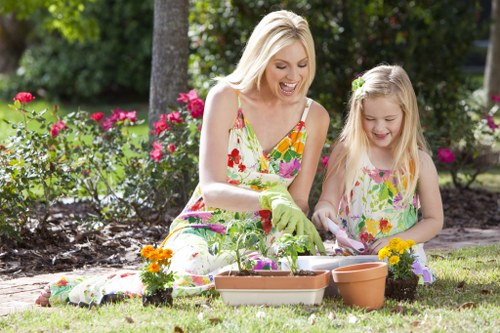
Flower bed creation in Dalston is about much more than adding colour to a front garden or making a back yard look neat. In a busy, design-conscious part of East London, a well-planned flower bed can completely change how a property feels. Whether you live in a compact terrace, a modern apartment with a courtyard, or a family home with a small outdoor area, the right planting scheme can bring structure, softness, and seasonal interest to your space.
Dalston gardens often need a smart approach. Space can be limited, sunlight may be uneven because of neighbouring buildings, and soil conditions can vary from one plot to the next. That is why successful flower bed creation in Dalston starts with understanding the local setting, the direction of light, and the style you want to achieve. A bed that looks attractive in spring should still feel balanced in autumn, and a space that is easy to maintain should not sacrifice beauty.
Another reason flower bed creation in Dalston is so popular is that it adds genuine value to everyday living. A carefully built bed can frame paths, soften hard landscaping, support pollinators, and make a garden feel like an extension of the home. Done well, it can transform even the smallest outdoor area into a welcoming retreat.
Planning the layout for successful flower bed creation in Dalston
Before any digging begins, layout planning should be the first priority. Flower bed creation in Dalston works best when the design respects the natural shape of the garden while also solving practical issues. Think about where people walk, where seating will go, which areas get morning or afternoon sun, and how much of the space you want to dedicate to plants versus open ground.
In narrow gardens, long flowing beds often create a sense of depth. In square or courtyard spaces, curved beds can soften sharp edges and make the area feel less rigid. For front gardens, neat borders and low-growing planting may be the best choice. For rear gardens, layered beds with taller shrubs at the back and lower perennials at the front can create a fuller, more immersive look.
It is also important to imagine how the bed will look throughout the year. Flower bed creation in Dalston should not depend on a single season of bloom. A good design plan includes structure plants, evergreen foliage, and flowering varieties that take turns to shine. That way, the bed remains interesting in winter, fresh in spring, lively in summer, and warm in autumn.
Measuring light, shade, and microclimates
One of the most useful steps in flower bed creation in Dalston is observing light patterns over a full day. Urban gardens can have surprising microclimates. A wall may reflect heat, a fence may create permanent shade, or a neighbouring tree may block sunlight at certain times. These conditions should shape your plant choices from the start.
For sunny beds, choose plants that enjoy bright conditions and can handle some dry spells. For semi-shaded borders, pick varieties that tolerate softer light and benefit from shelter. In heavily shaded plots, flower bed creation in Dalston should focus on foliage texture, shade-loving flowers, and plants that keep their colour without needing intense sun.
When light is limited, the right combination of leaf shapes, heights, and flower forms matters even more. Texture can be just as important as colour, especially in smaller gardens where every detail is visible.
Useful light-based planting ideas
- Sunny beds: Lavender, salvia, achillea, geraniums, and ornamental grasses.
- Semi-shaded beds: Astrantia, hellebores, heuchera, ferns, and foxgloves.
- Shaded beds: Hostas, brunnera, hardy ferns, ivy, and seasonal bulbs.
Soil preparation for durable flower bed creation in Dalston
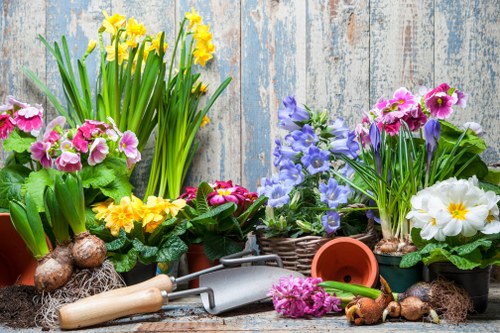
Healthy soil is the foundation of any successful planting project. Flower bed creation in Dalston often begins with improving existing ground so it can support long-term growth. In urban locations, soil may be compacted, low in nutrients, or mixed with rubble and old construction material. Before planting, it is worth checking the soil structure and making improvements where needed.
Adding organic matter can make a huge difference. Well-rotted compost, manure, or leaf mould improves drainage, supports beneficial organisms, and helps roots establish more quickly. If the soil is heavy clay, extra organic material and careful drainage planning may be needed. If it is sandy or free-draining, water-retaining compost can help plants cope better during dry periods.
Good preparation also reduces maintenance later on. Beds built on properly improved soil tend to need less rescue work, fewer replacements, and less watering. This is one of the smartest investments you can make when planning flower bed creation in Dalston.
Soil preparation checklist
- Remove weeds, debris, and old roots.
- Loosen compacted ground with a fork or spade.
- Mix in compost or other organic matter.
- Check drainage by observing how quickly water soaks in.
- Level and shape the bed before planting.
Choosing plants for flower bed creation in Dalston

Plant selection is where flower bed creation in Dalston becomes truly personal. The right plants reflect your taste, but they also need to suit the conditions of your garden. A well-balanced planting scheme usually combines perennials, shrubs, ornamental grasses, and seasonal flowers to create depth and movement.
For a modern look, you may prefer clean lines, repeated planting groups, and a limited palette of colours. For a softer, more romantic style, think of layered planting with pastel flowers, trailing shapes, and textured leaves. If you want something wildlife-friendly, choose nectar-rich plants that attract bees, butterflies, and other pollinators.
It is often best to mix reliable structural plants with changing seasonal highlights. That balance creates continuity while still giving the bed a fresh look across the year. Flower bed creation in Dalston can be both stylish and practical when plant choice is guided by space, light, and maintenance levels.
Popular plant types for local beds
- Perennials: Repeat-flowering plants that return each year and provide reliable colour.
- Evergreen shrubs: Useful for shape, privacy, and winter structure.
- Bulbs: Ideal for spring excitement and early seasonal interest.
- Annuals: Great for filling gaps and adding a burst of colour.
- Ornamental grasses: Add movement, softness, and year-round texture.
Design styles that work well in flower bed creation in Dalston

There is no single formula for a beautiful flower bed. Flower bed creation in Dalston can suit a wide range of design styles, from contemporary minimalism to lush cottage planting. The best choice depends on your home, the size of the garden, and how much time you want to spend on upkeep.
Modern gardens often benefit from restrained planting with strong form. This may include blocks of the same plant, architectural grasses, and simple colour combinations such as white and green, purple and silver, or yellow and blue. By contrast, a cottage-style bed feels abundant and layered, with lots of blooms, soft edges, and a more natural arrangement.
There are also hybrid styles that blend both approaches. You might choose structured edging and a neat path layout, then fill the bed with flowers that spill softly over the border. This can create a space that feels polished without looking overly formal.
Style ideas to consider
- Contemporary: Geometric edges, repeat planting, and limited colour palettes.
- Cottage-inspired: Rich layering, mixed blooms, and informal charm.
- Wildlife-friendly: Pollinator plants, seed heads, and seasonal nectar sources.
- Low-maintenance: Evergreen structure, mulch, and durable perennials.
Building depth, height, and visual balance
One of the key secrets of attractive flower bed creation in Dalston is layering. A bed looks far more appealing when it has height variation, repeated colours, and a clear rhythm. Tall plants at the back, mid-height plants in the middle, and low growers at the front help the bed feel organised and full.
Depth can also be created by using contrasting leaf shapes. Broad leaves beside fine textures, upright stems beside mounded forms, and glossy foliage beside soft silver tones all make a garden feel more dynamic. In smaller outdoor spaces, these contrasts are especially valuable because they make the bed feel richer without crowding it.
Balance matters too. If one side of the bed feels heavy with tall plants or bright colours, the whole design can look uneven. Flower bed creation in Dalston should aim for a composition that feels natural but still intentional. Repeating a few chosen plants across the bed is one of the easiest ways to achieve harmony.
Edging, borders, and clean finishing touches
Strong edging can make flower bed creation in Dalston look more professional and easier to maintain. Edging separates the bed from lawns, paths, or paved areas and gives the garden a crisp visual boundary. It also helps prevent soil and mulch from spilling into surrounding spaces.
There are many edging options to suit different styles. Brick edging offers a classic, traditional feel. Metal edging creates a sleek modern line. Stone or timber edging can look warm and natural. In compact gardens, a simple crisp edge may be enough to make the whole space look more polished.
Mulching is another finishing touch that should not be overlooked. A layer of bark, compost, or decorative gravel helps suppress weeds, retain moisture, and improve the overall appearance of the bed. For flower bed creation in Dalston, tidy edging and mulch often make the difference between a plain border and a standout feature.
Benefits of strong edging
- Keeps the bed shape neat and visible.
- Reduces maintenance along borders.
- Improves drainage and soil retention in some designs.
- Creates a clean transition between surfaces.
Watering, drainage, and seasonal care
Even the most attractive planting scheme will struggle without proper watering and drainage. Flower bed creation in Dalston should always consider how water moves through the space. Urban gardens can dry out quickly in summer, but they can also become waterlogged after heavy rain if drainage is poor.
Newly planted beds need regular watering until roots establish. After that, deep but less frequent watering is often better than light daily sprinkling. This encourages deeper root growth and helps plants become more resilient. In very sunny or sheltered sites, water-retentive soil improvement and mulch are especially helpful.
Seasonal care keeps the bed looking its best. Deadheading faded flowers, trimming back overgrown plants, feeding where needed, and refreshing mulch all contribute to a healthier border. Good routine care is what turns flower bed creation in Dalston from a one-season project into a long-lasting feature.
Low-maintenance strategies for busy homeowners
Many people want an attractive garden without spending every weekend tending it. Flower bed creation in Dalston can absolutely support that goal. The key is making smart choices from the beginning so the bed is easier to manage later on.
Perennials with strong returns, evergreen structure, and dense planting can reduce weed growth and cut down on replacement costs. Choosing plants that suit the site also lowers the chance of failures. A bed that is properly matched to its environment will naturally require less rescue work.
It helps to simplify the design rather than overcomplicate it. Fewer plant types, repeated across the bed, often create a stronger result and make maintenance more straightforward. When a layout is clear and intentional, upkeep becomes much easier to handle.
Low-maintenance tips
- Use mulch to reduce weeds and conserve moisture.
- Choose durable plants suited to local conditions.
- Avoid overcrowding, which creates unnecessary competition.
- Group plants with similar water needs together.
- Install edging to keep the bed defined and neat.
Flower bed creation in Dalston for pollinators and wildlife
Increasingly, homeowners want gardens that support nature as well as looking attractive. Flower bed creation in Dalston can be designed to welcome bees, butterflies, hoverflies, and birds. By choosing nectar-rich flowers, seed-producing plants, and diverse bloom times, you can create a bed that is both beautiful and beneficial.
Pollinator-friendly planting does not need to look wild or messy. In fact, many of the best wildlife beds are carefully planned so they remain tidy while still offering food and shelter. Plants such as lavender, verbena, echinacea, and nepeta are popular for this reason. Shrubs with flowers and berries can also support more wildlife throughout the year.
Leaving a few seed heads in place through autumn and winter can provide both visual interest and food for birds. Flower bed creation in Dalston becomes even more rewarding when the garden supports a healthier local ecosystem. Small planting decisions can have a real environmental impact.
Front garden and back garden approaches
Flower bed creation in Dalston may look different depending on where the bed will sit. Front gardens usually need to balance curb appeal, access, and privacy. The planting should feel welcoming without blocking windows or pathways. Lower plants, structured edges, and carefully chosen focal points work particularly well.
Back gardens often allow more freedom. You might choose bolder colour combinations, richer textures, or taller planting in sheltered corners. If the garden is used for relaxing or entertaining, flower beds can help define seating zones and soften hard surfaces like decking or paving.
For both front and back spaces, proportion is important. Beds that are too small can look sparse, while beds that are too large may overwhelm the garden. Careful sizing is a major part of successful flower bed creation in Dalston.
Questions to ask before choosing a layout
- How much space is available for planting?
- Will the bed be seen from the street or only from inside the home?
- How much time can be spent on maintenance?
- Should the bed prioritise privacy, decoration, or biodiversity?
Common mistakes to avoid
While flower bed creation in Dalston can be highly rewarding, there are several common mistakes that can reduce the success of a project. One of the biggest is planting without considering light and soil conditions. Even the most attractive plants will struggle if they are placed in the wrong environment.
Another frequent issue is overcrowding. It may be tempting to fill every gap immediately, but many plants need room to mature. If the bed is packed too tightly, airflow suffers, maintenance becomes harder, and plants may compete too aggressively for water and nutrients.
Neglecting structure is another mistake. A flower bed filled only with short-lived blooms can look patchy when flowers fade. Including evergreen or structural plants ensures the bed still looks composed when flowering is at a low point.
Common errors to avoid
- Ignoring drainage and soil improvement.
- Choosing plants purely for colour rather than suitability.
- Forgetting to plan for winter interest.
- Skimping on edging and mulch.
- Overplanting without leaving room for growth.
Why professional support can make a difference
Some homeowners enjoy creating beds themselves, while others prefer expert help. In either case, professional input can be valuable when the project involves tricky soil, awkward shading, or a desire for a polished finish. Flower bed creation in Dalston often benefits from local experience because urban gardens present specific challenges that are not always obvious at first glance.
Professionals can help with layout, plant choice, soil improvement, and practical finishing details. They can also suggest combinations that work well together visually and horticulturally. This can save time, reduce mistakes, and produce a better long-term result.
For busy households, expert help can also be the difference between a garden project that stalls and one that becomes a real improvement to the property. If you want a well-balanced result without the stress of trial and error, professional flower bed creation in Dalston is worth considering.
Bringing your outdoor space to life
A thoughtfully designed flower bed does more than decorate a garden. It creates atmosphere, supports wildlife, and makes outdoor space feel cared for. Flower bed creation in Dalston is especially rewarding because it allows you to turn compact urban ground into something green, colourful, and personal.
Whether your priority is curb appeal, low maintenance, seasonal colour, or biodiversity, the right bed can meet your needs. The best results come from planning carefully, choosing suitable plants, and finishing the space with strong edges and healthy soil. From small front borders to layered rear-garden planting, every detail matters.
Now is the perfect time to start planning your own flower bed creation in Dalston. If you are ready to improve your garden, refresh a tired border, or create a brand-new planted space, contact us today and book your service now.

